LILA ~ Learning Innovations Laboratory at the Harvard Graduate School of Education

Looking for content and documents from our Gatherings? Login

Join us for the June 10th LILA Summit: Resilience in the Age of AI

Posted by
|

Are you a senior leader interested in becoming a LILA member?

During these times of mounting complexity, uncertainty, and fatigue, resilience is no longer just a personal trait—it is an essential strategy and practice, evolving alongside the intelligent systems that are rewiring our environments in real time. The challenge before us is not simply to withstand disruption, but to harness and adapt to it. Resilience is about the ability to prepare for (readiness), withstand and manage (response), and recover/grow from (resurgence) disruptions. All three are interconnected stages that together define and strengthen resilience in various contexts. This year, we will explore what fosters resilience at every level—individual, team, and organization—in a world where learning, adaptation, and decision-making are increasingly augmented by AI.

Join us for your chance to interact with LILA members and guest faculty including keynote speaker Joseph B. Fuller, a well as participate in small group research and discussions sessions led by LILA Faulty alums and leading scholars in the fields of organizational learning and development. Contact us to register!

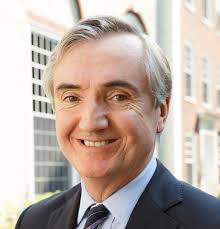
Keynote Speaker: Joseph B. Fuller

Joseph Fuller is a Professor of Management Practice in General Management and Entrepreneurship at Harvard Buisiness School. He founded and co-leads the school’s project, Managing the Future of Work, as well as the Harvard Project on the Workforce.

Joe’s research probes the major forces shaping the future of work. He has written extensively on the “skills gap” and investigates the paradox that many employers have chronic difficulty filling jobs while millions of Americans remain unemployed, underemployed, or have left the workforce. His research on degree inflation—a phenomenon whereby companies impose a requirement that candidates hold a college degree to apply for positions that have not historically required post-secondary credentials—has been cited as a catalyst for the emergence of the skills-based hiring movement. Joe has written extensively on upward mobility for lower wage workers, including research on the effectiveness of community colleges and the opportunity to expand apprenticeships in the United States. He is a co-creator of the American Opportunity Index that ranks leading companies on the quality of the opportunities for upward mobility they provide workers without college degrees. His research on how employers’ policies shape the prospects of low wage workers achieving upward mobility, served as the basis for his article The High Cost of Neglecting Low Wage Workers that won the 2023 Warren Bennis Prize as the best article on leadership in the Harvard Business Review. He has published pioneering research on the business impact of employees’ caregiving obligations on employers.

Add a comment

Harvard Graduate School of Education